
Three Modes, Three Memory Challenges
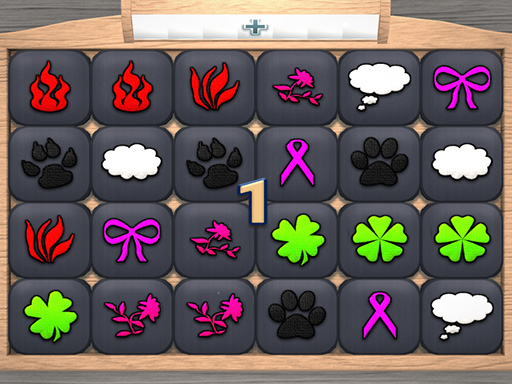
GBox Memory Match Puzzle builds its play around three distinct modes. Classic mode presents a board of face-down tiles; flipping two at a time, you try to reveal matching images, colors, or numbers and clear them from the board. Search mode changes the task by showing a single tile first, then asking you to locate its match among the remaining tiles. Three of a Kind raises the demand further: you must find three identical tiles rather than two. Each mode exercises a slightly different skill, from simple recall to visual scanning to pattern recognition.
How a Round Unfolds
A session starts when you pick a mode from the main menu. In Classic, you click or tap tiles to flip them and reveal what is underneath. A successful pair disappears; a mismatch flips back, and you continue. Search mode begins with a displayed tile, so your first job is to hold that image in mind while scanning the board. Three of a Kind asks you to track three locations at once. The game records your moves and time, giving you a concrete way to measure whether your approach is improving. Clearing all tiles wins the level and opens more challenging boards.
What the Tracking Numbers Tell You
Move and time tracking is not just decoration. In Classic, a high move count usually means you are flipping tiles without a plan; a low count suggests you are recalling positions from earlier turns. In Search mode, time matters more than moves because the challenge is scanning efficiently. Three of a Kind tends to punish rushed clicking, since three tiles must be held in memory. Watching both numbers after each round shows which mode exposes your weakest habit.
Practical Habits for Better Scores
Memorize tile positions as you flip, not just the images themselves. In Classic, say the location of each picture silently so you can return to it later. In Search mode, study the displayed tile before touching the board, then scan in a consistent pattern rather than jumping around. For Three of a Kind, group similar-looking tiles mentally and note where each one sits. Regular practice reduces both time and moves; staying calm prevents the rushed flips that inflate both.







Comments
0 comments