
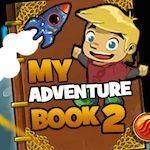
A Storybook World to Explore
Each chapter in Storybook Quest: Logic Puzzles is presented like a page from an illustrated book. The environments feature friendly characters and colorful landscapes. Players move through scenes by clicking or tapping on objects, which triggers interactions and reveals new areas. The visual style is deliberately cheerful and safe, suitable for younger audiences. Background details often contain subtle hints for upcoming puzzles, rewarding careful observation.
Puzzle Solving Without Pressure
The core gameplay revolves around puzzles that require careful observation and logical thinking. Common tasks include finding hidden items, matching patterns, or completing simple sequences. Each puzzle is integrated into the story, so solving it advances the narrative. There are no time limits, allowing players to think at their own pace. The difficulty curve is gentle, introducing new puzzle types gradually, which ensures both children and adults can participate without frustration.
Narrative Progression and Characters
The story unfolds through multiple chapters, each with its own theme and set of characters. Players help the hero overcome obstacles by solving puzzles, which unlocks the next part of the tale. Dialogues with characters provide context and sometimes offer clues. The narrative is lighthearted and positive, focusing on cooperation and cleverness. Completing a chapter gives a sense of accomplishment and reveals more of the overarching story.
Designed for Family Play
Controls are simple and intuitive, designed for players who may not have much gaming experience. The interface uses clear icons and text, and all interactions are performed with a single click or tap. There are no penalties for mistakes, encouraging trial and error. The game can be played alone or with others, as puzzles often benefit from multiple perspectives. This makes it a good choice for family game sessions where everyone can contribute ideas.





Comments
0 comments