
Rally Under Rising Pressure
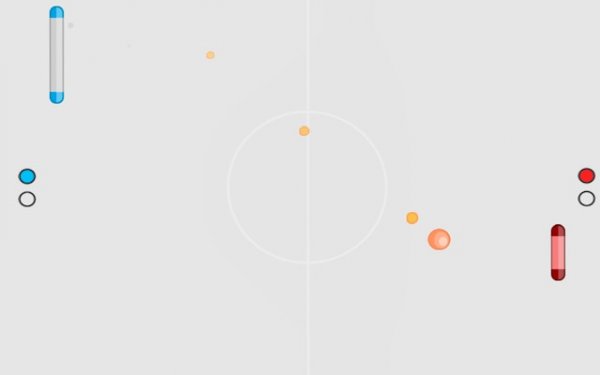
The objective in Fast Reflex Ping Pong Challenge is straightforward: keep one continuous rally going for as long as possible. Every time you return the ball, its speed increases slightly, so the game's difficulty is not fixed by a level select screen. It adapts in real time to how well you are playing. A clean return raises the stakes for the next exchange; a miss ends the run. That single rule shapes everything else about the experience.
Paddle Control and Ball Tracking
You control a paddle on your side of the table and move it horizontally to meet the incoming ball. Input is handled through a mouse cursor or touch, which keeps the control scheme immediate rather than layered. Because the ball accelerates after each return, reading its trajectory early matters more than reacting at the last moment. Smooth, measured paddle movement prevents overshooting, while sharp corrections tend to cost positioning on the following shot.
Why the Difficulty Curve Works
There are no static stages. Instead, the ball speed climbs with each successful return, creating a natural escalation that mirrors your own performance. Early exchanges feel manageable; later ones demand quicker recognition and more precise placement. This design keeps sessions short but variable, since no two rallies follow the same pace. Players who enjoy hand-eye coordination tests and sustained focus will find the structure rewards patience as much as speed.
Session Length and Scoring
A run can last a few minutes or stretch longer depending on how long you sustain the rally. The only score that matters is your personal best, which gives each attempt a clear benchmark. Because the challenge is continuous rather than segmented, there is no downtime between rounds. The game suits quick breaks and longer practice sessions equally, and improvement shows up as longer rallies rather than unlocked content.
Practical Tips for Longer Rallies
Anticipate the ball's path instead of chasing it. Keep paddle movements controlled so you are not caught out of position when the next return arrives faster. Maintain a steady rhythm and treat each miss as information about where your timing broke down. Regular short sessions tend to sharpen reflexes more effectively than occasional long ones, since the speed increase compounds with every successful hit.





Comments
0 comments