
Core Gameplay Loop
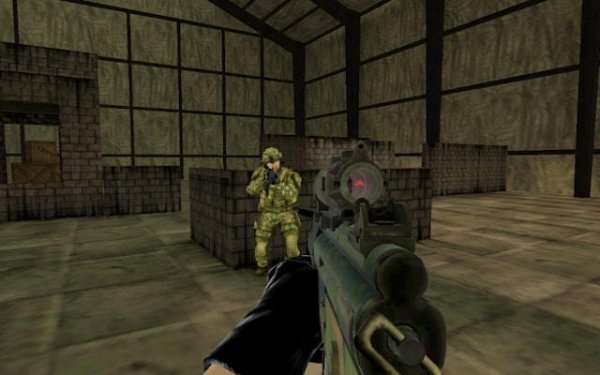
Coordinated Assault: Squad Arena centers on small-team confrontations where each player selects a specialized role. Matches unfold in enclosed 3D spaces designed to reward spatial awareness and quick decision-making. Rather than relying on individual heroics, the game encourages groups to move as a unit, covering sightlines and sharing resources. The pace remains brisk, with most rounds lasting under ten minutes, keeping the focus on adaptation rather than endurance.
Class System and Loadouts
Players choose from several soldier archetypes, each with distinct equipment and responsibilities. The assault class excels at close-range pushes, while support units provide healing or ammunition. Snipers control long corridors, and engineers set up defensive structures or disable enemy gadgets. This variety allows teams to experiment with different compositions, though no single setup guarantees victory. Understanding each class's limitations is as important as knowing its strengths.
Arena Design and Strategy
Maps range from tight indoor facilities to open outdoor compounds, each with multiple paths and elevation changes. Controlling high ground or chokepoints often shifts the momentum of a match. Some arenas include destructible walls that open new routes, while others have environmental hazards that force repositioning. Players must learn these layouts to anticipate enemy movements and plan coordinated flanks. The visual style emphasizes clarity, making it easier to spot opponents at a distance.
Progression and Customization
As players gain experience, they unlock cosmetic options and alternative gear for each class. These items do not provide statistical advantages, keeping the playing field level for all participants. The free-to-play model ensures that core gameplay remains accessible without pay-to-win elements. Daily challenges offer small rewards for completing specific objectives, encouraging players to try different roles and strategies.
Team Communication and Coordination
Built-in voice and text chat facilitate real-time planning. Marking systems allow players to highlight enemy positions or suggest movement routes without speaking. Effective teams often assign a shot-caller to direct focus during chaotic moments. While solo play is possible, the game truly shines when groups communicate and adjust their tactics on the fly. Regular team practice leads to smoother coordination and better results in ranked matches.

Comments
0 comments