
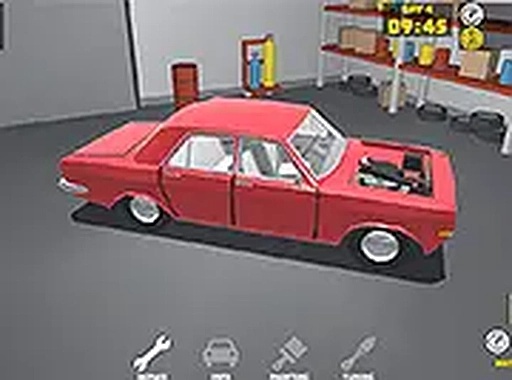
Inside the Virtual Garage
The workshop is built to mirror a real repair shop, with workbenches, vehicle lifts, and storage racks holding tools from basic wrenches to electronic diagnostic scanners. Each tool is interactive, and the space is laid out to support a logical sequence of tasks. Lighting and camera angles are positioned to draw attention to mechanical details, so players can spot worn components or misaligned parts without guesswork.
Diagnosing and Fixing Faults
Every vehicle arrives with its own set of symptoms. Players listen for unusual noises, check fluid levels, and test electrical circuits to isolate the problem. Once a fault is found, the game walks through removing the defective part and installing a replacement. This step-by-step method reflects professional repair practice and shows how different systems—engine, electrical, suspension—interact. The process is less about speed and more about following evidence to a correct conclusion.
Vehicle Selection and Cosmetic Choices
The garage holds sedans, coupes, and trucks from several decades, each with a distinct mechanical layout. After the mechanical work is done, players can pick new paint colors, wheel styles, and interior upgrades. These options let you personalize a car while keeping its original character intact. Because the mechanical and cosmetic choices vary, no two restored vehicles end up looking the same.
Progression and Workshop Growth
Finishing a restoration pays credits. Those credits buy advanced tools and unlock rarer automobiles. Over time, the workshop itself expands, gaining access to specialized equipment needed for more complex repairs. This loop gives players clear goals: earn, upgrade, and take on tougher projects as their diagnostic and repair skills improve.










Comments
0 comments