
Core Platforming Mechanics
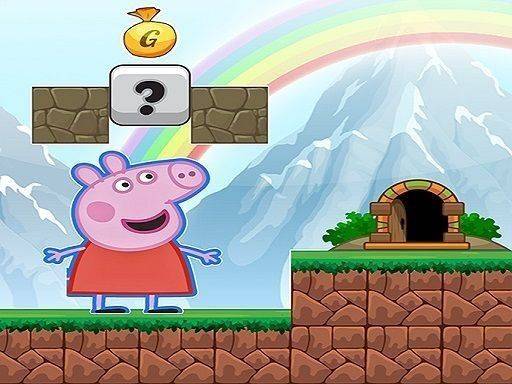
Pig Adventure Platformer Game is built around the fundamentals of 2D platforming. Players move the pig left and right using arrow keys or on-screen controls, and press the spacebar or a jump button to leap over gaps and onto platforms. The objective in each stage is straightforward: collect stars and coins while avoiding obstacles such as puddles and rocks. Timing jumps correctly is the main skill tested, and reaching the end of a level unlocks the next stage. The controls are intentionally simple, making the game accessible to young players without removing the gentle challenge for older ones.
Level Design and Progression
Stages are arranged in a linear progression, with each completed level opening the next. Difficulty increases gradually, but the game never shifts into high-pressure territory. Obstacles follow readable patterns, so players can anticipate what comes next rather than react to sudden surprises. Collectibles serve double duty: they boost the score and encourage replaying levels to find every star and coin. This structure supports short sessions as well as longer play, since there is no penalty for taking your time.
Visual Style and Atmosphere
The presentation leans on bright, colorful graphics and a hand-drawn look. A cheerful soundtrack and a nostalgic childhood theme give the game a warm, inviting tone. The pig character is cute by design, and the overall aesthetic avoids anything violent or frightening. This makes the game suitable for family play, including younger children who might find more intense platformers overwhelming. The combination of friendly visuals and calm pacing positions Pig Adventure Platformer Game as a low-stress option within the platformer genre.
Approach to Challenge and Replay
Success comes from patience rather than speed. Practicing jump timing helps with landing precisely on platforms and clearing obstacles like puddles and rocks. Collecting every star and coin in a level yields a higher score and gives players a reason to return to earlier stages. Because obstacles follow predictable patterns, observing them before moving is a reliable strategy. Rushing tends to cause mistakes, while a measured approach fits the game's relaxing intent. Replaying levels to improve skills or achieve a perfect run is a natural part of the experience.






Comments
0 comments