
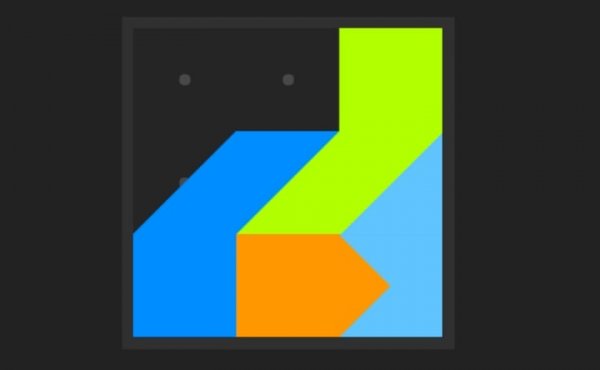
Fitting Blocks Into Every Gap
Power Blocks Shape Puzzle is built around a single, clear task: take the differently shaped blocks provided for each level and arrange them so the playing field is completely filled. No piece may overlap another, and every empty square must be covered. The challenge comes from the shapes themselves. Each block has a fixed form, so the order you place them and the way you rotate or flip them determine whether the board closes cleanly or leaves awkward gaps.
How a Level Unfolds
You drag blocks from a holding area onto the grid. When a piece is placed correctly, the game confirms it; when the arrangement fails, you can undo the move or restart the level. Rotation and flipping are part of the toolkit, which means the same block can sometimes fit in more than one orientation. The interface stays uncluttered so your attention remains on the board rather than on menus or timers.
Sixty Levels, One Steady Curve
The game ships with 60 levels. Early boards use fewer pieces and leave more open space, while later ones tighten the layout and demand more planning before you commit a block. That progression is the main source of longevity. Because there are no timers, you can sit with a difficult arrangement as long as you like, and revisiting earlier levels to try a different order is a practical way to sharpen your approach.
Who This Suits
Anyone who enjoys jigsaw-style logic without pressure will find the format familiar. Color-coded blocks make shapes easier to tell apart, and the clean visual style keeps the focus on spatial reasoning rather than spectacle. Short sessions work fine, but longer sittings are equally viable because nothing forces you to rush.





Comments
0 comments