
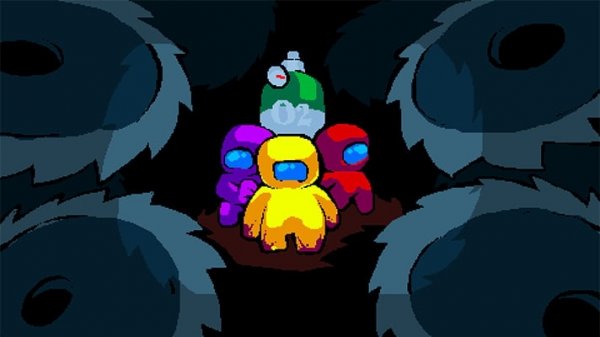
Two Teams, Opposite Goals
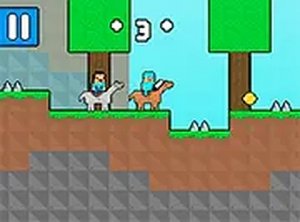
Team Trust Challenge Strategy splits each lobby into two sides. Helpers work openly to move specific items to marked zones, such as upper rooms, central floor areas, or corner vents. Tricksters operate in secret, nudging items off target or using abilities to slow the other team down. Because the rules are light, a round starts quickly and the real challenge becomes reading other players' behavior.Moving Objects Under Pressure
Characters use standard keyboard controls. The main loop is simple: pick up an object, carry it to the correct marked location, and repeat. Helpers must coordinate so multiple items move efficiently, while tricksters disrupt that flow without being identified. Success depends on how fast helpers notice interference and adjust their routes or priorities.Respawn Keeps Rounds Alive
When a helper is removed from play, they rejoin after a short delay. This prevents an early elimination from ending the round and gives newer players room to recover from mistakes. The match ends when all objectives are completed or the trickster side reaches its own win condition, so every action still matters.Meetings and Voting
A button in the central area lets any player call a group discussion. During the meeting, players share observations about suspicious behavior, then vote on whether someone should be removed. Calling too many meetings eats into the clock, so the timing of a discussion is itself a strategic choice. Evidence matters more than volume.Editorial Notes
✅ Compatibility & Testing
• Desktop (Windows 11, macOS Ventura)
• Mobile (iPhone 14, Samsung Galaxy S23)
• Tablet (iPad Pro, Android tablet)
✅Supported browsers: Chrome, Safari, Edge, Firefox (latest versions)
❌ Not supported: Internet Explorer, older browser versions


Comments
0 comments