
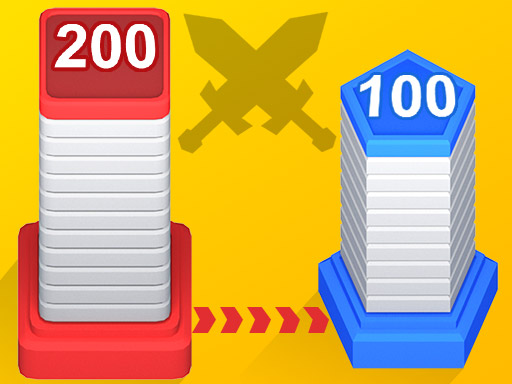
Core Objective: Color the Map
In Urban Tint: Planning Challenge, every session begins with a clear goal: turn every city on the map to your chosen hue. This straightforward aim masks a web of interconnected decisions. Players must evaluate which cities to develop first, how to link them efficiently, and when to shift focus from growth to influence. The map serves as both a playground and a puzzle, with each city representing a piece that must fall into place.
Resource Balancing Act
Managing resources sits at the heart of the experience. Players allocate supplies between strengthening their own urban centers and extending reach to new areas. This constant trade-off creates tension: invest too heavily in one city, and others may fall behind; spread resources too thin, and progress stalls. The game rewards those who can assess the entire board and prioritize effectively, making each playthrough a lesson in economic foresight.
Strategic Connections
Building links between cities is more than a simple action. Each connection requires evaluating distance, resource cost, and potential benefits. A poorly placed link can waste precious materials, while a well-timed connection can open up new expansion routes. This system encourages players to think several moves ahead, considering how the network will evolve over time. The interface keeps these choices accessible, letting players focus on planning rather than complex controls.
Adapting to Challenges
As the map fills with your color, opponents will resist your progress. The game introduces obstacles that test your ability to adapt. Unique abilities tied to your faction can turn the tide when resources are low or connections are blocked. Knowing when to deploy these tools is as important as knowing how to build. This layer of tactical depth ensures that no two games unfold identically, keeping the experience fresh for repeated play.
Design for All Ages
The visual style and interface are built for clarity and comfort. Bright colors and clean lines make it easy to distinguish owned cities from neutral or enemy ones. There is no graphic content or complex jargon, making it suitable for younger players and those new to strategy games. The learning curve is gentle, but the puzzle depth offers plenty for seasoned planners to enjoy.

Comments
0 comments