
Egg Recovery as the Core Goal
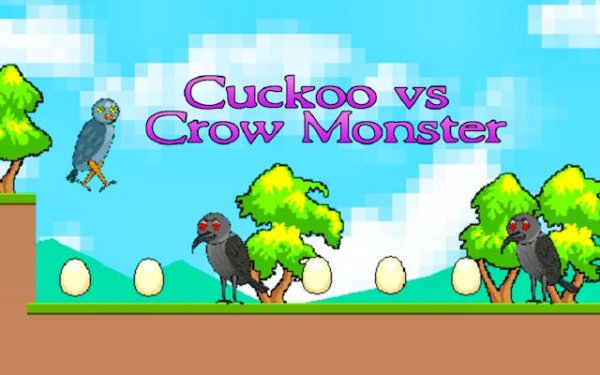
Every stage in Feathered Rescue Quest asks the same question: can you find all the lost eggs before you leave? The exit is always visible, but reaching it without the eggs means missing the point. Eggs sit on high ledges, behind barriers, or in corners that demand a second look. The game rewards patience over speed, so you can plan a route, backtrack, and experiment without a timer forcing your hand.
Movement Built Around the Double Jump
Your bird has two moves: jump and crouch. A single jump clears small gaps; a mid-air second jump extends your reach to distant platforms and elevated egg spots. That double jump is the heart of every puzzle—it determines which ledges are accessible and how you dodge moving hazards. Crouching lets you slip under low barriers, adding a spatial wrinkle to otherwise straightforward paths. Controls respond instantly, so mistimed jumps are easy to correct.
Stage Design That Teaches Then Tests
Early levels introduce basic platforming and predictable enemy movement. Later stages layer in moving platforms, timed hazards, and tighter layouts. The difficulty climbs gradually, so each new element appears in a safe context before it becomes a real threat. Hidden eggs give you a reason to replay stages, and the level design often hides them in spots that require combining the double jump with crouching.
A Gentle, Forgiving Atmosphere
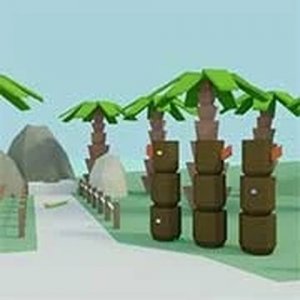
Bright colors and clear foregrounds make hazards easy to spot, while smooth animations give the bird personality. Cheerful music and subtle sound effects reinforce collecting an egg or landing a jump. There is no violence, no time pressure, and no harsh failure state—losing a life returns you to the start of the stage, which keeps the focus on learning and retrying. That makes Feathered Rescue Quest approachable for children and still engaging for adults who enjoy precise platforming.




Comments
0 comments