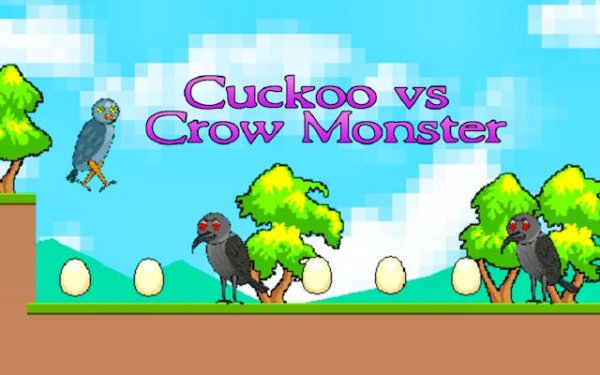
Feathered Rescue Quest delivers exactly what fans of classic platformers want: responsive controls, clever level layouts, and a stress-free atmosphere. The double jump is the star, enabling creative routes and hidden collectibles. Stages start simple but gradually introduce moving platforms and tricky gaps, keeping the challenge fair. The bright visuals and cheerful music make it inviting for all ages. While it doesn't break new ground, it executes its core ideas with precision and charm. A solid choice for casual sessions or completionist runs.
Players guide their character through side-scrolling environments, each filled with platforms, gaps, and moving hazards. The primary objective is to locate and retrieve all lost eggs before reaching the stage exit. Success requires a mix of exploration and precise movement, as eggs are often tucked away in elevated or concealed areas. The game emphasizes steady progression rather than speed, allowing players to plan their route.
The control scheme is built around a single action: jumping. A standard jump clears small gaps and low obstacles, while a mid-air second jump grants access to higher platforms and distant ledges. This double jump is the central mechanic, used both to reach collectibles and to evade threats. The controls respond instantly, making it easy to correct mistakes or attempt tricky sequences. Crouching is available to slip under low barriers, adding a layer of spatial awareness.
Each level introduces new environmental elements that change how players approach movement. Early stages focus on basic platforming and simple enemy patterns, while later ones incorporate moving platforms, timed hazards, and more complex layouts. The difficulty curve is gradual, ensuring that new mechanics are learned before they become challenging. Hidden eggs encourage revisiting stages to find every secret.
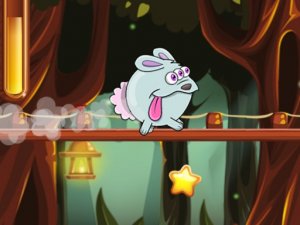
The art style is bright and colorful, with lush backgrounds and clear foreground elements that make hazards easy to spot. Character animations are smooth and expressive, adding personality to the bird protagonist. The sound design uses cheerful music and subtle effects to reinforce actions like collecting an egg or landing on a platform. The overall presentation is polished without being distracting.
There is no violence, time pressure, or failure state that punishes the player harshly. Losing a life simply returns the player to the start of the stage, encouraging repeated attempts. The theme of returning lost eggs to safety is wholesome and relatable. This makes the game suitable for children and adults alike, with enough depth to keep experienced players engaged.





Comments
0 comments