
What You Actually Do
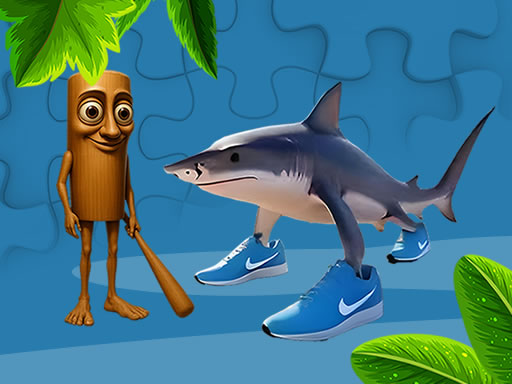
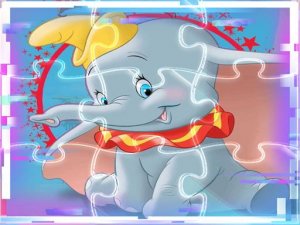
Every session starts the same way: you browse a gallery of humorous character images and choose one to solve. After picking a picture, you set the difficulty by selecting a piece count. The available range runs from a 16-piece layout for quick sessions up to 100 pieces for a longer, more involved solve. The game then scatters the pieces across the screen, and your job is to drag each one into its correct spot to rebuild the original image. You can play with a mouse on desktop or a finger on a tablet or phone. The controls are straightforward enough that no tutorial is needed.
How Difficulty Changes the Experience
Piece count is the main difficulty lever here. A 16-piece puzzle is approachable for younger players or anyone squeezing in a short break. Moving up to 100 pieces changes the task considerably: you spend more time scanning for matching colors and patterns, and the timer becomes a more meaningful benchmark. Because the game records your completion time, larger puzzles give you a clear way to measure improvement across attempts. The images themselves stay consistent in style, so the challenge comes from the number of pieces rather than shifting themes.
Designed for Low-Pressure Play
There are no penalties, countdowns, or fail states described. The timer exists purely as a personal reference, not as a threat. That makes the game suitable for winding down or filling a few spare minutes. All images are selected to be family-friendly, with no inappropriate themes, and the game runs directly in a web browser without installation or account creation. The rotating selection of character images keeps the gallery from feeling static over time.
Practical Solving Approach
Edge pieces are the most reliable starting point because they define the puzzle's border and give you a frame to work inside. Once the edges are set, grouping pieces by color or pattern narrows down where each one belongs. Starting with smaller piece counts helps you get comfortable with the drag mechanics before attempting larger layouts. If you hit a wall, stepping away briefly and returning often makes the next match easier to spot.



Comments
0 comments