
What You Actually Do
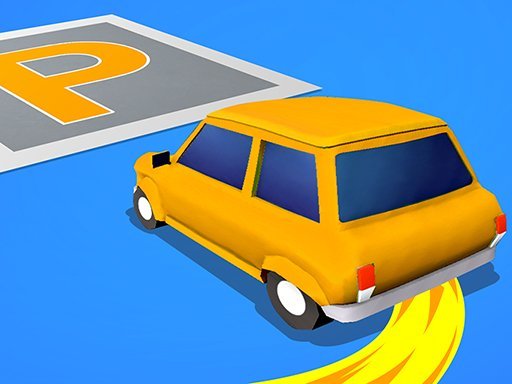
Every level presents a grid packed with cars and trucks. One vehicle is your target, usually marked by a distinct color or arrow. Your job is to slide other vehicles out of the way, moving them horizontally or vertically along their row or column, until the target car has a clear path to the exit on the grid's edge. Movement is direct: click or tap a vehicle and drag it. Nothing moves automatically, so each shift is a deliberate choice.
Why Moves Matter
Because vehicles can only travel along their current axis, a single slide can open one route while sealing another. Early levels have few vehicles and wide gaps, letting you solve them almost by instinct. Later layouts add more vehicles and tighten the space, so you have to think several steps ahead. The game measures your performance by move count, and better results earn higher ratings in the form of cups, giving each puzzle a clear benchmark to beat.
Undo, Redo, and Experimentation
Unlimited undo and redo remove the fear of making a wrong move. You can backtrack freely, test an alternative slide order, and compare outcomes without restarting. That design choice turns the game into a sandbox for logical thinking rather than a test of memory or reflexes. It also makes the game forgiving for newcomers while still rewarding efficient play for veterans.
Session Length and Presentation
Puzzles can be solved in a few minutes or demand longer concentration, so the game fits both short breaks and extended play. A clean visual design and subtle sound effects keep attention on the board itself. No installation is required; the game runs directly in a web browser, which makes it easy to start a level whenever you have a moment to spare.







Comments
0 comments