
Searching a Cheerful Room
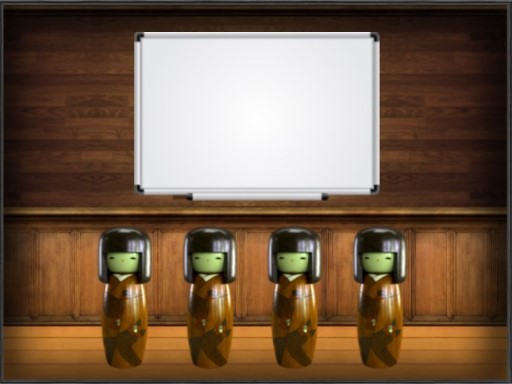
Kids Room Escape Puzzle places you inside a bright, colorful room and asks a single question: can you find the way out? The answer depends on observation, not reflexes. You click around the room with the mouse, looking for keys, tools, and puzzle pieces tucked into corners, shelves, or behind other objects. Every item you spot is a small win, and the room itself acts as a friendly puzzle box rather than a threatening space.
How the Inventory Works
Collected items go into an inventory, and the game expects you to combine them. A tool might fit a lock; two pieces might join to form something new. This is where the logic kicks in. You are not just hoarding objects—you are testing how they relate to one another. If a door stays shut, the missing link is usually an item you have already picked up but not yet used correctly. The inventory becomes a workspace for trial and error, and the game never punishes a wrong guess.
Clues in Plain Sight
Patterns, colors, and small details in the room often hint at solutions. A sequence on a poster or the shape of a drawer handle might tell you which order to press something or where a hidden compartment lies. The game rewards players who slow down and look again. Because there are no time limits, you can stand still and study a single object for as long as you like. That pace is deliberate: it turns the room into a calm observation exercise rather than a race.
Who It Suits
The gentle difficulty and family-friendly design make this a natural fit for younger players, but the puzzle logic is not childish. Adults who enjoy escape-room-style thinking will find enough here to stay engaged during a short break. The point-and-click controls keep the barrier low, and the absence of complex mechanics means you can stop and resume without losing track. It is a quiet, self-paced puzzle that values patience over speed.








Comments
0 comments