
Shape-Shifting as a Core Tool
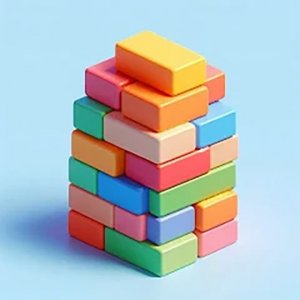
Each Tetra carries a single ability that defines every level: transforming into a different block shape. The puzzle is not about reflexes but about selecting the right form for the terrain ahead. A shape that works as a staircase in one spot might be useless over a gap. Players study the layout, test a transformation, and adjust when the path fails.
Reading the Level Layout
Levels are built around obstacles that demand specific shapes. Some gaps need a bridge; some ledges need a ramp; some areas need a flat, stable platform. Because there are no enemies and no timers, the challenge comes entirely from spatial reasoning. The game rewards careful observation before acting, and it allows unlimited attempts without penalty.
Difficulty That Grows Quietly
Early levels introduce one obstacle at a time, letting players learn what each shape does. Later levels combine multiple obstacles, so a single transformation must serve more than one purpose. This progression keeps the game accessible for young players while giving puzzle enthusiasts something to think about. The absence of failure states means difficulty scales through complexity, not punishment.
Who This Is For
Families looking for a calm, cooperative-friendly puzzle game will find the gentle visuals and stress-free pace appealing. Players who enjoy block logic and platform navigation without combat or time pressure are the natural audience. Those seeking fast action or competitive challenges should look elsewhere, because Tetra Block Puzzle Journey deliberately avoids both.




Comments
0 comments