Weekend Sudoku 15 Puzzle Game
Review
Weekend Sudoku 15 Puzzle Game delivers a classic logic experience with a clean interface and intuitive controls. The multiple difficulty levels make it accessible for beginners while still challenging for experts. New puzzles generate each session, ensuring no repetition. It is ad-supported and family-safe, ideal for calm, focused play. A great choice for anyone who enjoys mental exercise without pressure.
Full story
Game Introduction
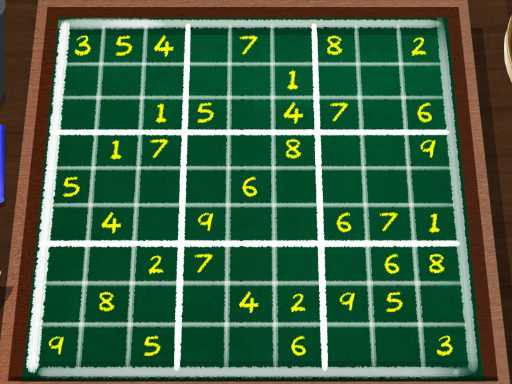
Weekend Sudoku 15 Puzzle Game is a classic logic-based puzzle that challenges players to complete a 9x9 grid. The objective is to place digits from 1 to 9 so that each row, column, and 3x3 subgrid contains every number exactly once. This game does not require any math skills; it relies on careful reasoning and deduction. Designed for players of all ages, it offers a relaxing yet engaging mental exercise. Puzzles are generated fresh each time, providing endless variety for both beginners and experienced solvers. The game is ad-supported and family-safe, making it suitable for short breaks or longer sessions.
How to Play
Players start with a partially filled 9x9 grid. The goal is to fill every empty cell with a number from 1 to 9, ensuring that each row, column, and 3x3 block contains all numbers exactly once. Use logic and deduction to determine the correct numbers—no guessing is needed, as each puzzle has a unique solution. Typically, players click or tap on an empty cell and select a number. If correct, the number stays; if not, they try again. The game may offer hints if players get stuck. Completing the entire grid correctly wins the puzzle.
Game Features
Weekend Sudoku 15 Puzzle Game features a clean interface and intuitive controls. It offers multiple difficulty levels to suit different skill levels. Hints are available when needed, and the game tracks progress and time. It is ad-supported and family-safe. New puzzles are generated each time you play, ensuring fresh challenges. The game is designed for short breaks or longer sessions, providing a calm, focused activity that exercises the brain without pressure.
Tips for Success
Start with easier difficulty levels to learn basic logic and deduction techniques. Practice regularly to improve speed and accuracy. Use the process of elimination to narrow down possible numbers for each cell. Look for rows, columns, or blocks that are nearly complete to solve easier cells first. If you get stuck, take a break and return with fresh eyes. The more you play, the better you will become at recognizing patterns and solving puzzles efficiently.