
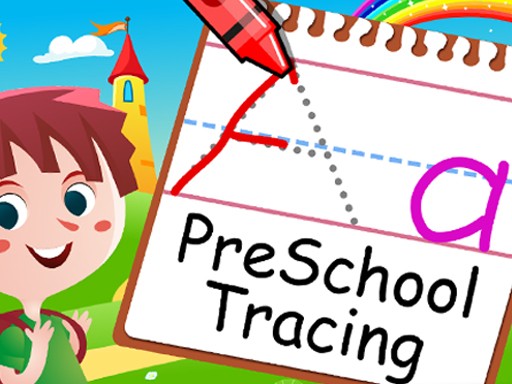
What Young Learners Actually Do
Children begin each session by tracing simple lines directly on the screen with a finger. As they become comfortable, the activities expand to uppercase and lowercase letters, numbers from 1 to 10, basic shapes such as circles, squares, and triangles, and common colors. Every tracing task includes audio cues that pronounce the relevant phonics sound, connecting the physical motion of writing with the sound a letter or number makes. No keyboard or mouse is involved, and step-by-step instructions mean a child does not need to read to participate.
How the Game Supports Early Literacy
The design pairs fine motor practice with phonics reinforcement. Tracing a letter while hearing its sound helps children link shape, motion, and pronunciation. The progression from simple lines to letters and numbers is deliberate: it builds confidence before introducing more complex strokes. Positive reinforcement, such as playful animations, keeps children engaged without pressure. This combination turns screen time into a structured but low-stress learning activity that parents can feel comfortable with.
A Safe, Distraction-Free Environment
The game is built specifically for toddlers and preschoolers, with bright, colorful visuals and an ad-free experience. Parents may adjust difficulty levels and track their child's progress, though the exact customization options are not detailed. The absence of ads and the touch-only controls make it accessible for the youngest learners, while the calm pacing avoids overstimulation.


Comments
0 comments